







FY2026 Investment Market Review

Rancie Financial • July 29, 2026

Share this article

FY2026 Investment Market Review

With the 2026 financial year now complete, investors can reflect on a year that highlighted how quickly economic conditions, government policy and investment markets can change.

From changing interest rate expectations and continued advances in artificial intelligence (AI) to geopolitical events and proposed changes to Australia’s tax landscape, FY2026 presented investors with a range of challenges and opportunities.

Investment Market Performance

  • Investment markets delivered mixed results over the past 12 months, with performance varying considerably across regions and asset classes.
  • Global share markets generally outperformed Australian shares during FY2026, while Australian equities also delivered positive returns. Throughout the year, investors experienced periods of heightened market volatility as markets responded to changing economic data, interest rate expectations, geopolitical developments and global trade policy. Despite these periods of uncertainty and heightened volatility, many international markets finished the year with strong returns.
  • The varying performance across markets serves as a reminder that investment returns can differ significantly between regions, sectors and asset classes over time.

Inflation and Interest Rates

Inflation and interest rates remained a key focus throughout FY2026.

During the first half of the financial year, there was growing optimism that inflation was gradually coming under control. However, as the year progressed, stronger-than-expected inflation data reminded investors that the path back to the Reserve Bank of Australia’s target range was unlikely to be straightforward.

As inflationary pressures proved more persistent than many had anticipated, interest rate expectations shifted throughout the year. Borrowing costs and ongoing cost-of-living pressures therefore continued to influence households, businesses and investment markets.

Artificial Intelligence Continued to Influence Markets

Artificial intelligence remained one of the defining investment themes of FY2026.

Throughout the financial year, continued investment in AI infrastructure, semiconductor technology and cloud computing supported strong growth across many global technology companies. Investors also increasingly recognised that the potential benefits of AI are likely to extend well beyond the technology sector, creating opportunities across a broad range of industries.

Australian Policy and Tax Changes

In the final months of FY2026, the Federal Budget brought increased attention to proposed changes to capital gains tax and negative gearing arrangements.

While many of the proposed changes include transitional arrangements or grandfathering provisions, they also serve as a timely reminder that tax legislation can evolve over time and will likely influence future investment decisions.

As tax legislation evolves, it’s important to review your financial strategy and understand whether any changes may be appropriate for your circumstances.

Looking Ahead to FY2027

As FY2026 demonstrated, economic conditions and investment markets can change quickly.

While no one can predict exactly what the next financial year will bring, several themes are likely to remain in focus:

  • Inflation and future interest rate decisions. 
  • Global economic growth and corporate earnings. 
  • Developments in artificial intelligence. 
  • Geopolitical developments and global trade. 
  • The implementation of Australian tax and investment policy changes. 

While the factors influencing markets will continue to evolve, regularly reviewing your investment strategy helps ensure it remains appropriate for your circumstances and long-term financial objectives.

Our Perspective

Every financial year brings a different set of economic, political and market conditions.

We continue to work closely with our clients to ensure their investment portfolios and broader financial strategies remain aligned with their individual circumstances, objectives and tolerance for risk.

If you would like to review your current strategy or discuss how recent market and legislative developments may affect your financial plan, please contact our team. We’re always happy to help.

RANCIE FINANCIAL

This information is general in nature and does not consider your personal objectives, financial situation or needs. Before acting, consider whether it is appropriate for you and seek professional advice. Rancie Financial provides financial planning advice in relation to estate planning strategies and works collaboratively with your solicitor or estate planner to ensure your financial and legal arrangements stay aligned.

Recent Posts

By Rancie Financial • March 25, 2026
Most of the time share markets are relatively calm, but periodically they tumble and generate headlines like “billions wiped off share market.”

By Rancie Financial • March 15, 2026
Oil and investment markets initially reacted relatively calmly to the US/Israel war with Iran, despite the Strait of Hormuz through which 20-25% of global oil and gas supplies flow through on a daily basis being closed from the get go.
By Rancie Financial • February 6, 2026
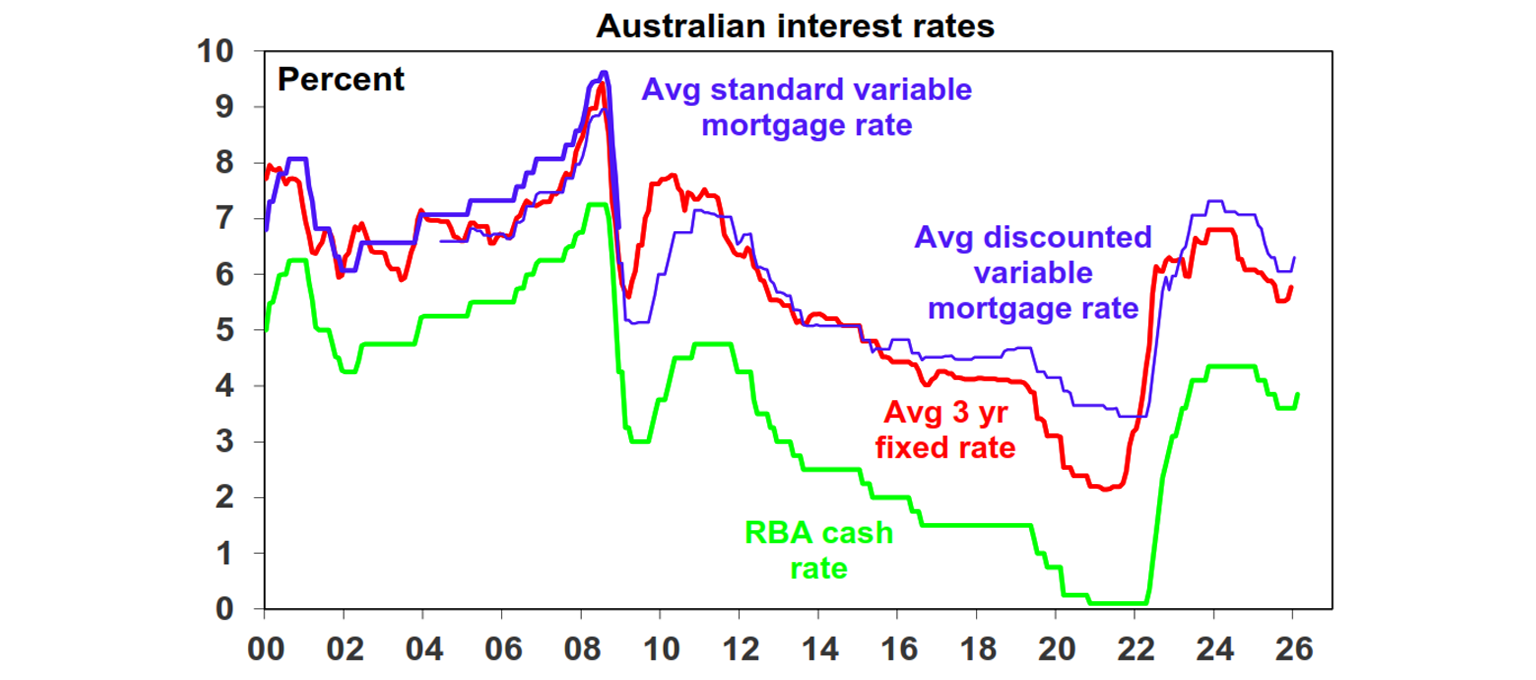
The RBA’s decision to hike rates to 3.85% was no surprise with it being about 70% factored in by the money market and 22 of the 28 economists surveyed by Bloomberg expecting a hike.

By Rancie Financial • January 28, 2026
Many investors breathed a sigh of relief at having survived (and even thrived) the turbulent economic and political events of 2025.

By Rancie Financial • December 18, 2025
Investing in rare earths requires patience and perspective. Few investment sectors combine geopolitical intrigue, technological innovation and long-term growth potential quite like rare earth elements (REEs).

By Rancie Financial • November 12, 2025
Bringing your family into estate planning conversations can be one of the most valuable steps toward clarity and peace of mind.

By Rancie Financial • October 12, 2025
For Australians aged 55 and over, selling the family home can also be a chance to boost retirement savings.

By Rancie Financial • September 17, 2025
“Will this be enough to fund our retirement?”

By Rancie Financial • August 27, 2025
How a Recontribution Strategy Can Reduce Tax on Your Super for Future Generations

By Rancie Financial • August 11, 2025
Catch-up contributions allow you to exceed the standard annual concessional cap ($30,000 pa) provided your total super balance was under $500,000 at the previous 30 June and you have unused cap amounts from the past five financial years.

Show More